Start with real runs
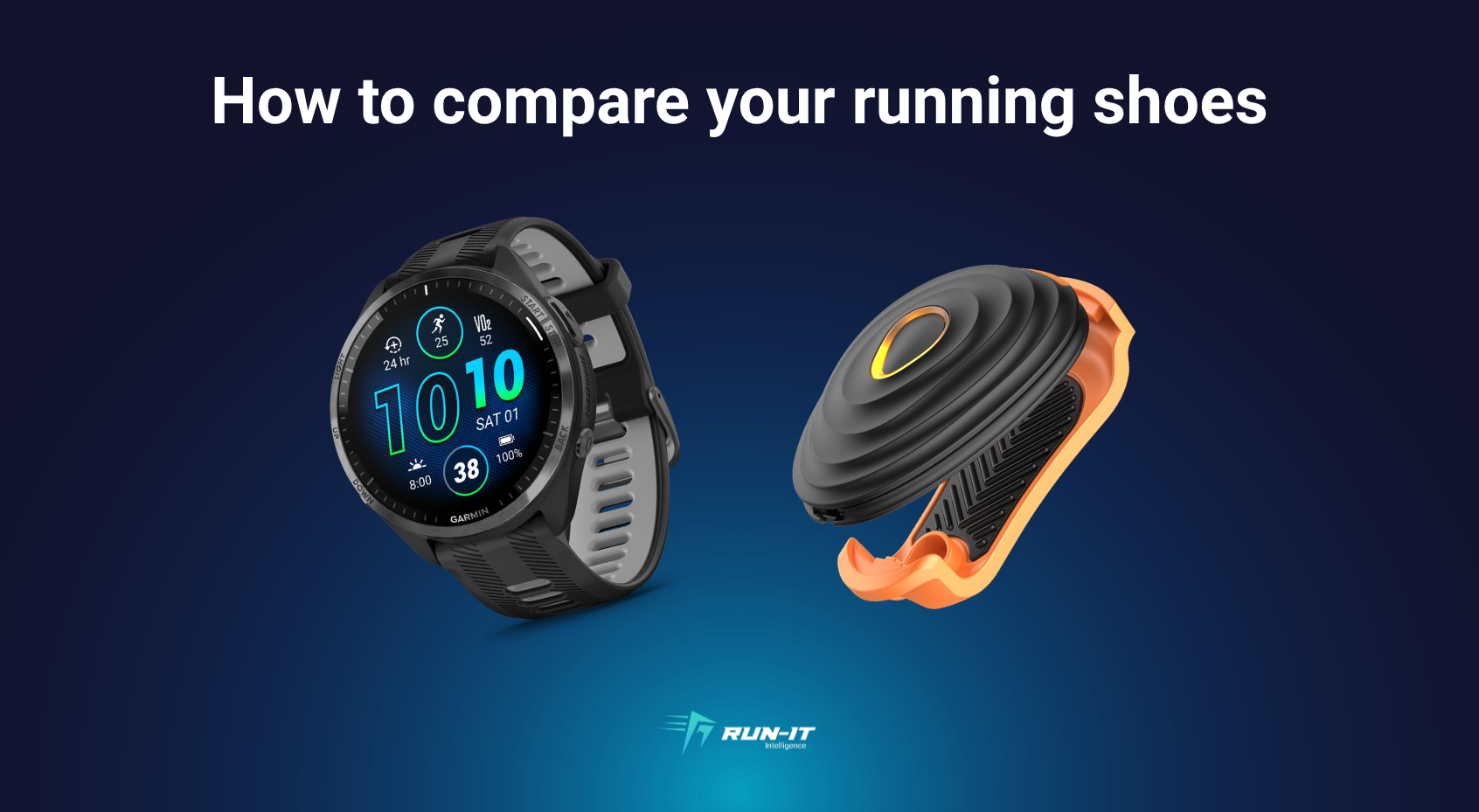
A recent Garmin or Stryd activity carries more context than a generic quiz or a few observed steps.
Founder of Run-It · Belgium
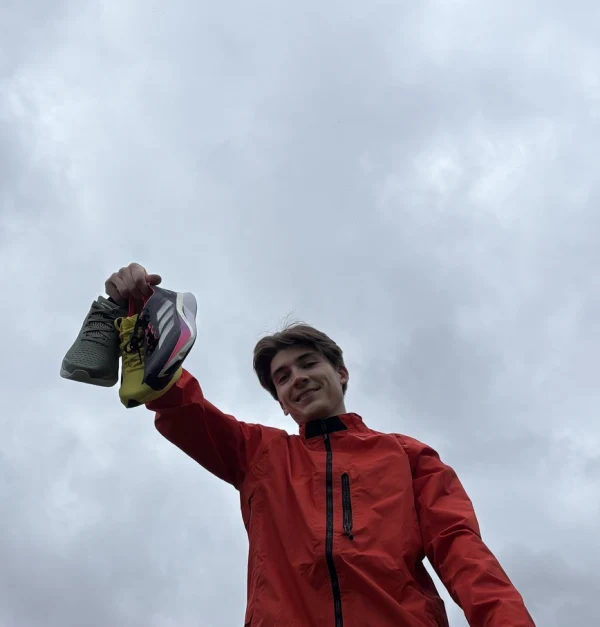
I’m a 27-year-old engineer from Belgium, a marathon and ultramarathon runner, and the founder of Run-It. I built it because buying running shoes still felt like guesswork, even after years of running and access to more data than ever.
Profile reviewed September 2, 2026.
Why I built Run-It
When I started running, the goal was simply to become consistent. That grew into multiple marathons and ultramarathons. My training became more structured, my watch collected more data, and I learned far more about how I moved.
Yet buying running shoes stayed difficult. A store analysis often reduced the decision to pronation or a short treadmill snapshot. That could add context, but it never answered the full question for me: which shoe makes sense for the way I run across real training?
Running-shoe reviews could be detailed and honest, yet they still described the reviewer’s experience. A shoe that felt brilliant to one runner could feel completely different to another. I wanted a starting point built from the runner’s own data, not another universal verdict.
Run-It grew from that frustration: even today, there is no reliable way to know exactly which running shoe will work for you before you buy it.

Engineer, runner, founder
My engineering background shapes how I work: define the problem, test assumptions, document the method, and make the limitations visible. Four years at EY gave me the confidence to build in a structured way. After developing Run-It alongside my job for roughly a year and a half, I left to work on it full-time.
View my public work history →I bring an engineering and product-development perspective to a problem that is often communicated through broad labels.
Multiple marathons and ultramarathons gave me years of real training, shoe rotations, long-run fatigue, and expensive trial and error.
I build the product and its running-data methodology, and I write or review the guides that explain how those decisions are made.
Methodology
The goal is not to turn one metric into a verdict. It is to combine useful signals, preserve context, and tell the runner exactly where the recommendation ends.
A recent Garmin or Stryd activity carries more context than a generic quiz or a few observed steps.
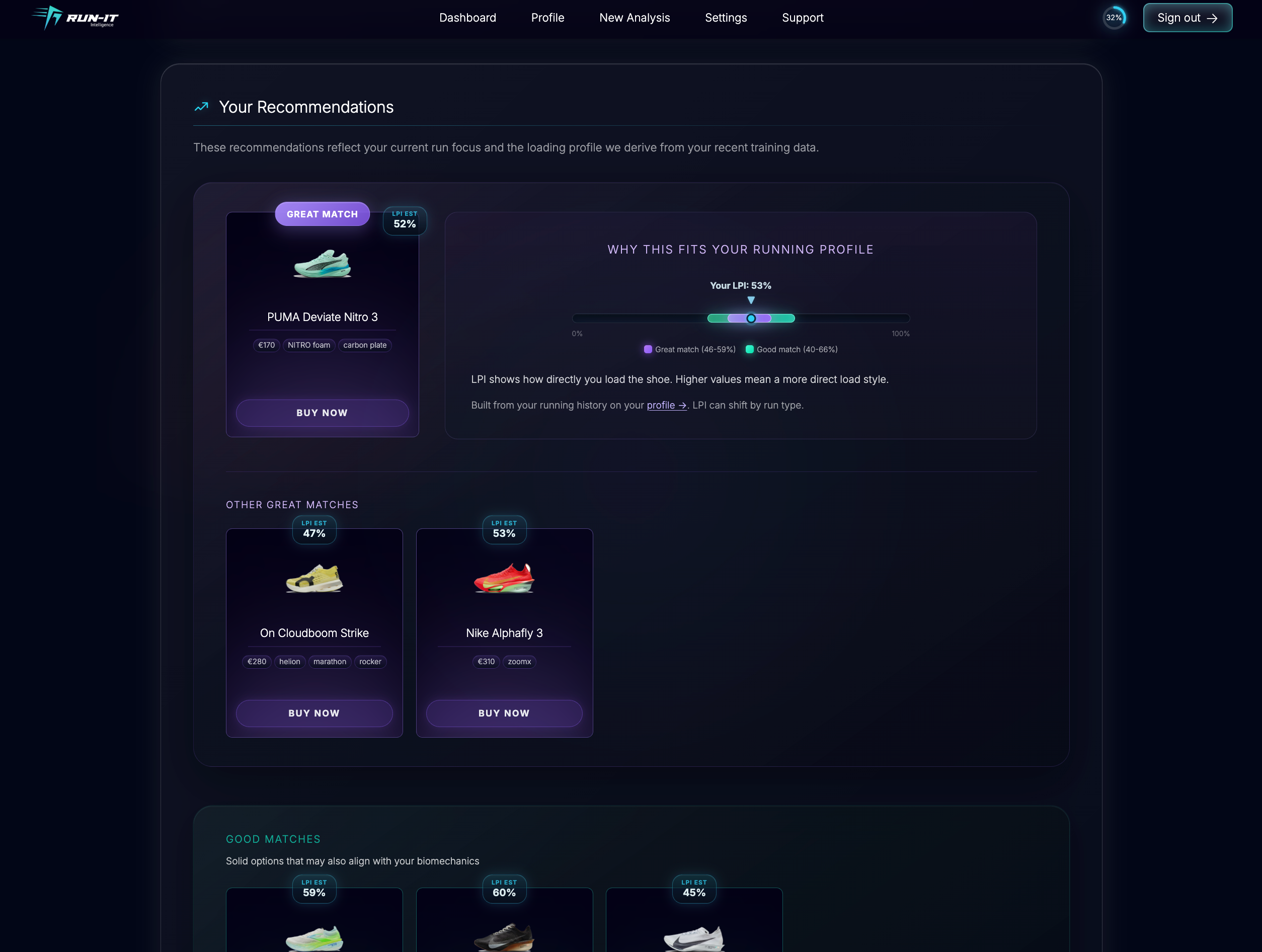
Run-It uses multiple running-dynamics inputs and LPI rather than treating pronation as the decision rule.
Fit guidance refers to the relevant official brand sizing chart instead of inventing a universal conversion.
A good outcome is a satisfied runner: a shoe that feels comfortable across real runs. That aligns with the footwear-research idea of a comfort filter and preferred movement path, rather than matching someone to a pronation category or prescribed gait pattern. Read the comfort analysis.
Outcome data
You only learn whether a running shoe works for you after a real run, and ideally after several. Run-It uses your running data, the model’s characteristics, and the relevant official sizing chart to give you the strongest data-backed starting point for both shoe choice and fit.
Test the method
We want to measure whether Run-It recommendations lead to more positive shoe ratings than other ways of buying shoes. That is the standard: test the recommendation against real runner outcomes, learn from those results, and continuously improve it to give every runner a higher chance of finding a shoe that works for them.